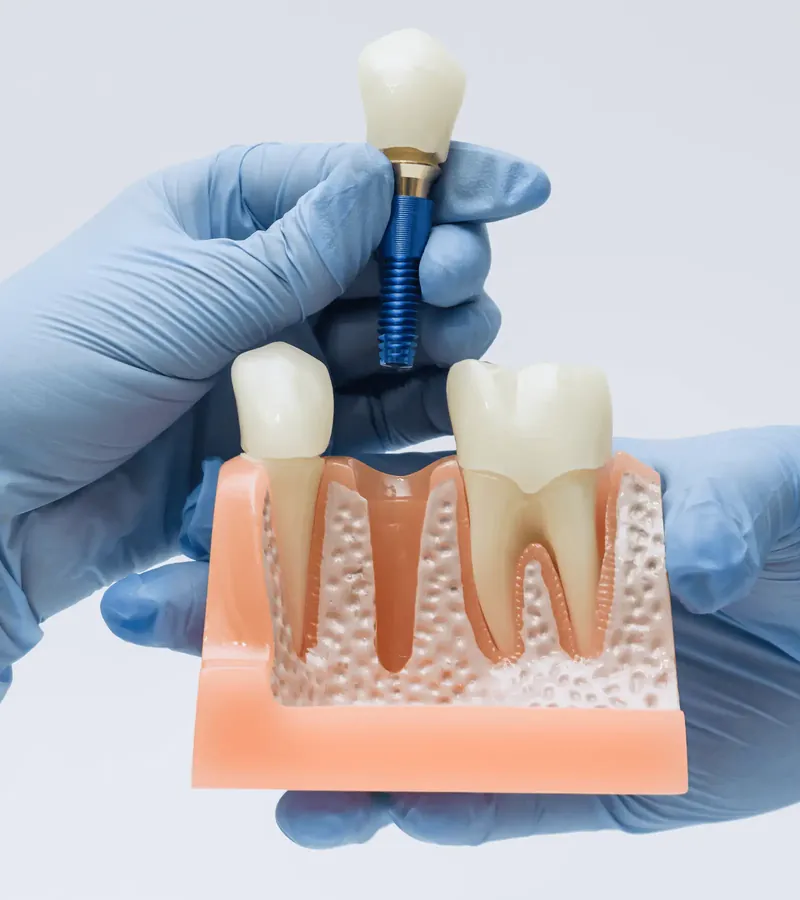
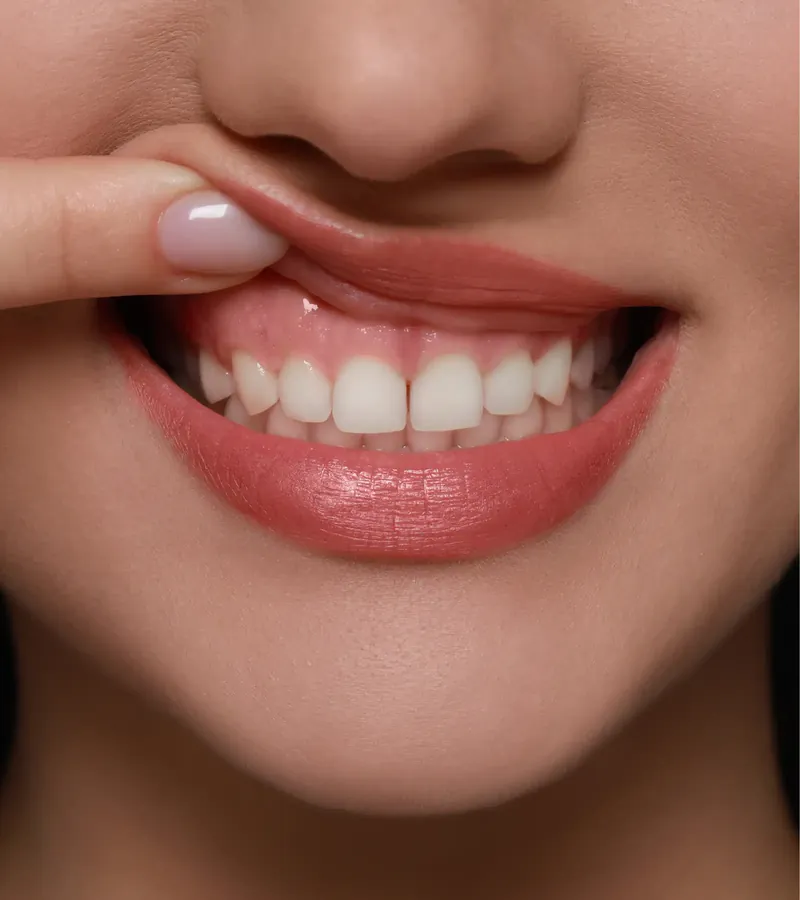
Gum recession exposes tooth roots, which can mean sensitivity, a higher risk of decay, and a gumline that looks uneven. Gum grafting restores lost tissue over the receded area, protecting the root and giving both natural teeth and implants a healthier foundation.
Book a Consultation
Which technique makes sense depends on how much healthy tissue you have nearby and how the recession developed — that's determined at your evaluation, not assumed in advance.
You may be a good candidate if any of the following sound familiar. A consultation will confirm what's right for your specific case.
Before recommending gum grafting, we start with a full evaluation of your teeth and goals, so the plan fits your case rather than a standard script.
Your plan accounts for your timeline, comfort, and priorities, and is walked through with you before any treatment begins.
We take the time to explain each step and answer questions as they come up, rather than rushing through the appointment.
Aftercare and follow-up are part of the plan from the start, not an afterthought once treatment is finished.
Signs include tooth sensitivity, roots that look visibly exposed, or a gumline that appears uneven. A dental exam will confirm whether grafting is the right next step.
Most patients manage recovery with basic aftercare and a short adjustment period; discomfort is typically mild to moderate and temporary.
That depends on how much healthy tissue you have nearby and what caused the recession — it's determined at your evaluation, not decided in advance.
Common causes include gum disease, aggressive brushing, and grinding, among others — identifying the cause helps prevent recurrence after grafting.
The goal is a result that blends with your existing gum tissue rather than looking like a separate patch.
Book an appointment online, or call our Delray Beach office directly to speak with our team about gum grafting.